Automate Your Customer Follow-Up and Never Miss a Lead
AI-powered missed call text back, automated lead follow-ups, and appointment booking systems for small businesses.

COMPANY FEATURES
How I Help Businesses

Missed Call Text Back
When someone calls and no one answers, they instantly receive a text message and a booking link.

AI Chat Assistance
Simple AI chat systems answer common questions and guide customers to the next step.

Lead Follow-Up Automation
Every new inquiry automatically receives follow-up messages until they schedule or respond.

Appointment Booking Systems
Online scheduling that eliminates phone tag and manual booking.

Most Trusted
Partner

Financial
Agency

Business
Consulting

Social Media
Marketing
Who This Is For-
Local Service Businesses
Loan Officers & Brokers
Contractors & Trades
Coaches / Consultants
Small Business Owners
How It Works
Step 1 — Connect your phone and lead forms
Step 2 — Automation responds instantly
Step 3 — Leads book appointments automatically
Examples:
-Capture every missed call
-Respond to leads in seconds
-Increase booked appointments
-Reduce manual follow-up
Frequently Asked Question
Do I need special software?
No. The system connects to your existing phone, forms, and website.
Will it work if I miss calls after hours?
Yes. Missed calls trigger an automatic text response and booking link.
Can I customize the messages?
Yes. All follow-up messages and sequences can be edited.
How long does setup take?
Most accounts are live within 24–48 hours.
Does this replace my receptionist?
It handles initial responses and scheduling, reducing manual workload.
Blog & Articles
HVAC vs Electrical in Arizona: Career & Pay Comparison Guide
🧰 What Each Trade Actually Does
HVAC (Heating, Ventilation, Air Conditioning)


5
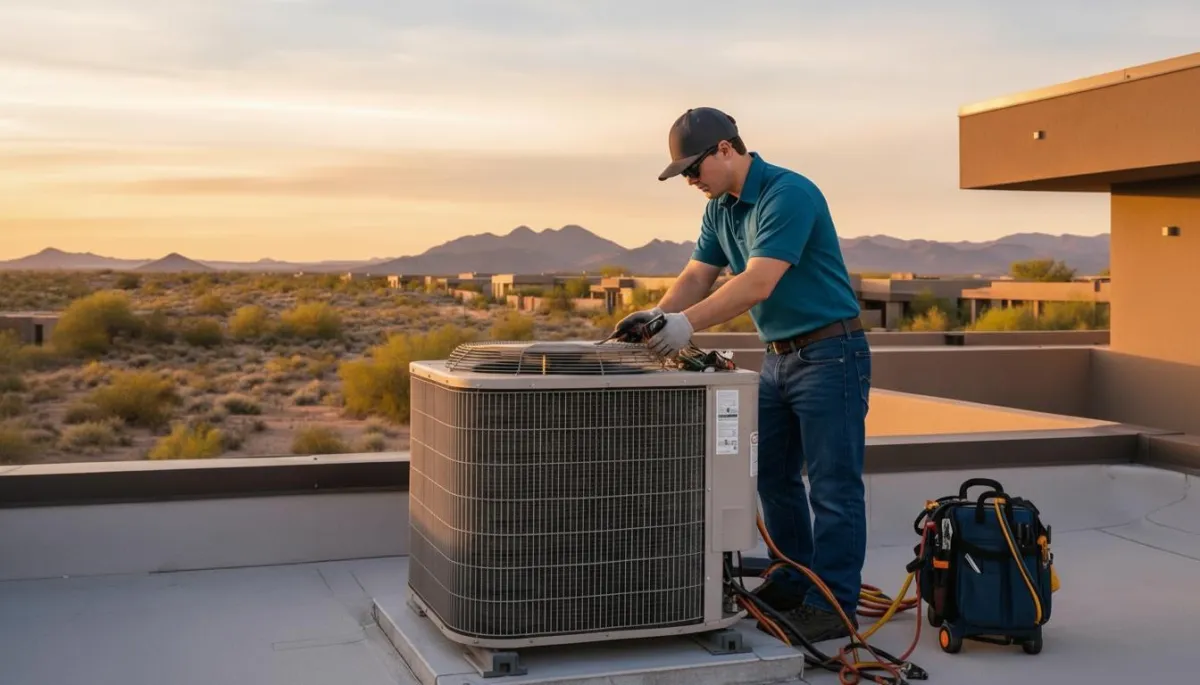
Installs and repairs AC systems (huge in Arizona heat)
Works with refrigerants, airflow systems, ductwork
Emergency-heavy work (especially summer)
Mix of residential & commercial service
Electrical (Residential / Commercial Electrician)


6
Installs wiring, panels, lighting, power systems
Reads blueprints and works on construction sites
Troubleshoots electrical issues
Work ranges from homes to large commercial projects
💰 Salary Comparison (Arizona Focus)
LevelHVAC TechElectricianEntry-Level$35K–$45K$40K–$50KMid-Level$50K–$70K$55K–$75KExperienced$70K–$95K$75K–$100K+Business Owner$100K–$250K+$120K–$300K+
Key Takeaways:
Electricians tend to earn slightly more long-term
HVAC techs can make serious overtime during summer spikes
Both trades scale hard if you start your own company
📈 Demand in Arizona
HVAC demand is extreme due to desert climate
Electrical demand is steady and growing due to construction + infrastructure
👉 In cities like Phoenix and Tucson:
HVAC = constant emergency service calls (AC failures = urgent)
Electrical = ongoing projects, new builds, solar integrations
⏱️ Training & Licensing
HVAC
Training: 6 months – 2 years
Certification: EPA required for refrigerants
Faster entry into paid work
Electrical
Apprenticeship: 4–5 years
Licensing required for higher-level work
Slower start, but stronger long-term credentials
⚖️ Work-Life & Job Style
FactorHVACElectricalWork ConditionsHot attics, rooftopsConstruction sites, indoors/outdoorsScheduleEmergency calls commonMore structuredPhysical DemandModerate–HighModerate–HighSeasonalityHigh (summer peak)Low
🚀 Business Potential
Both trades shine if you’re thinking bigger:
HVAC businesses thrive on urgent service + maintenance contracts
Electrical businesses scale through projects + inspections + upgrades
👉 In Arizona, HVAC companies often grow faster early because:
People will pay anything for AC in 110°F heat
But electricians often:
Build more stable, scalable long-term businesses
🧠 Which Should YOU Choose?
Choose HVAC if:
You want to start earning faster
You don’t mind intense seasonal work
You like service calls and problem-solving under pressure
Choose Electrical if:
You want higher long-term earning potential
You prefer structured career growth
You’re willing to invest time in apprenticeship
🏁 Final Verdict
Short-term money & fast entry → HVAC wins
Long-term ceiling & stability → Electrical wins
But here’s the truth most people miss:
👉 The highest earners in BOTH trades are business owners, not employees.

Let us make your life easier